
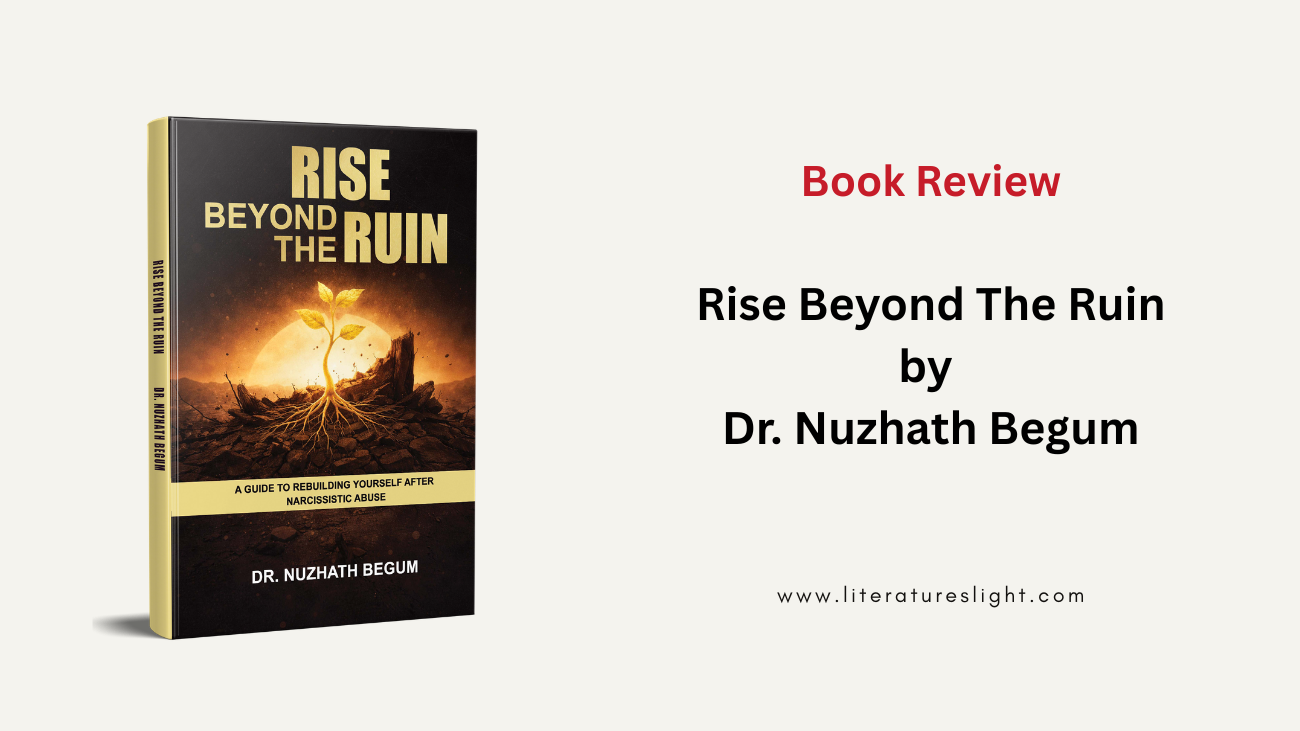
Rise Beyond The Ruins: Rebuilding After Narcissistic Abuse by Dr. Nuzhath Begum
Rebuilding after narcissistic abuse is not simply about moving on. It is about reclaiming the parts of yourself that were silenced, doubted, and reshaped under manipulation. When emotional control and gaslighting distort your reality, the damage is often invisible to the outside world. Yet within, the confusion and self doubt can feel overwhelming.
Healing is possible. More than that, transformation is possible. The journey beyond emotional ruin is not defined by what was done to you, but by the strength you discover within yourself.
Understanding Narcissistic Abuse and Its Hidden Impact
Narcissistic abuse operates in subtle and complex ways. It often begins with idealization, where admiration and attention create a powerful emotional bond. Over time, this shifts into control, criticism, and emotional withdrawal.
The Psychological Labyrinth of Control
A narcissistic dynamic is built on imbalance. The abuser seeks admiration and dominance while slowly eroding the confidence of the other person. Gaslighting becomes a key tactic. You may be told that your perceptions are wrong, your emotions are exaggerated, or your memories are inaccurate.
This manipulation creates confusion. Survivors often question their judgment and lose trust in their own instincts. The psychological toll is deep because it attacks the core of identity.
The Quiet Erosion of Self Worth
One of the most painful effects of narcissistic abuse is the gradual loss of self worth. Criticism may be disguised as concern. Isolation may be framed as protection. Over time, you may shrink yourself to avoid conflict.
The result is an internal narrative shaped by doubt. You may feel not good enough, too sensitive, or responsible for the dysfunction in the relationship. Recognizing this erosion is the first step toward rebuilding after narcissistic abuse.
The Moment Clarity Breaks Through
Recovery often begins with a single moment of clarity. It might come through reading about narcissistic behavior, speaking with a therapist, or confiding in someone who validates your experience.
When the fog lifts, emotions surface. Anger, grief, betrayal, and relief can coexist. This awakening is powerful because it restores perspective. You begin to see patterns that once felt confusing.
Clarity can be unsettling. It challenges the version of reality you were encouraged to accept. Yet it is also liberating. Truth becomes the foundation for healing from narcissistic abuse.
Reclaiming Your Identity After Emotional Trauma
Rebuilding after narcissistic abuse requires reconnecting with who you were before the manipulation and discovering who you are becoming now.
Restoring Self Trust
Self trust is often one of the first casualties of emotional abuse. You may doubt your decisions or fear making mistakes. Rebuilding trust starts with small, intentional choices. Listening to your instincts. Setting boundaries. Honoring your needs.
Therapeutic support can be valuable in this phase. Journaling, mindfulness practices, and reflective exercises also help strengthen self awareness. Each time you validate your own feelings, you rebuild inner stability.
Setting Boundaries Without Guilt
Boundaries are essential for narcissistic abuse recovery. They protect your emotional space and reinforce your worth. Learning to say no, limiting contact, or choosing no contact altogether are acts of self preservation.
Guilt may surface, especially if you were conditioned to prioritize the other person. Remind yourself that boundaries are not punishments. They are expressions of self respect.
Rebuilding Confidence and Purpose
Confidence grows through action. Engaging in activities that align with your values helps restore a sense of purpose. This could mean pursuing education, reconnecting with friends, or exploring creative interests that were once discouraged.
Each step forward reinforces a new narrative. You are not defined by the abuse. You are defined by your resilience and growth.
Emotional Healing Is a Sacred Process
Healing from narcissistic abuse is not linear. Some days feel empowering. Others may bring unexpected triggers. This fluctuation is normal.
Allow yourself to grieve. Grief is not weakness. It is acknowledgment of what was lost, including time, trust, and imagined futures. Compassion toward yourself accelerates emotional healing after abuse.
Support networks are vital. Trusted friends, support groups, and professional counselors provide validation and perspective. Sharing your story reduces isolation and strengthens recovery.
Awakening the Voice That Was Never Lost
Perhaps the most transformative aspect of rebuilding after narcissistic abuse is rediscovering your voice. During the relationship, you may have silenced your opinions to avoid conflict. You may have minimized your needs.
Now is the time to speak freely. Express your thoughts. Pursue your truth. Your voice carries wisdom shaped by survival.
From Survivor to Empowered Individual
Survival is only the beginning. Empowerment comes from integrating your experience into a new sense of self. You understand manipulation more clearly. You recognize red flags. You value authenticity and emotional safety.
This awareness becomes strength. It guides future relationships and decisions. It reinforces that your past does not control your future.
Rise Beyond The Ruins
Rebuilding after narcissistic abuse is a profound act of courage. The ruins you stand in today are not evidence of weakness. They are proof that you endured something complex and painful.
Within those ruins lies the foundation for renewal. Piece by piece, you reconstruct your identity with intention and clarity. You cultivate boundaries, self trust, and compassion.
The end of a narcissistic relationship is not the end of your story. It is the beginning of your return to yourself.
You are not broken. You are becoming stronger, wiser, and more aligned with your true nature. And from this place of awareness and resilience, you rise beyond the ruins into a life rooted in authenticity, peace, and unwavering self worth.