
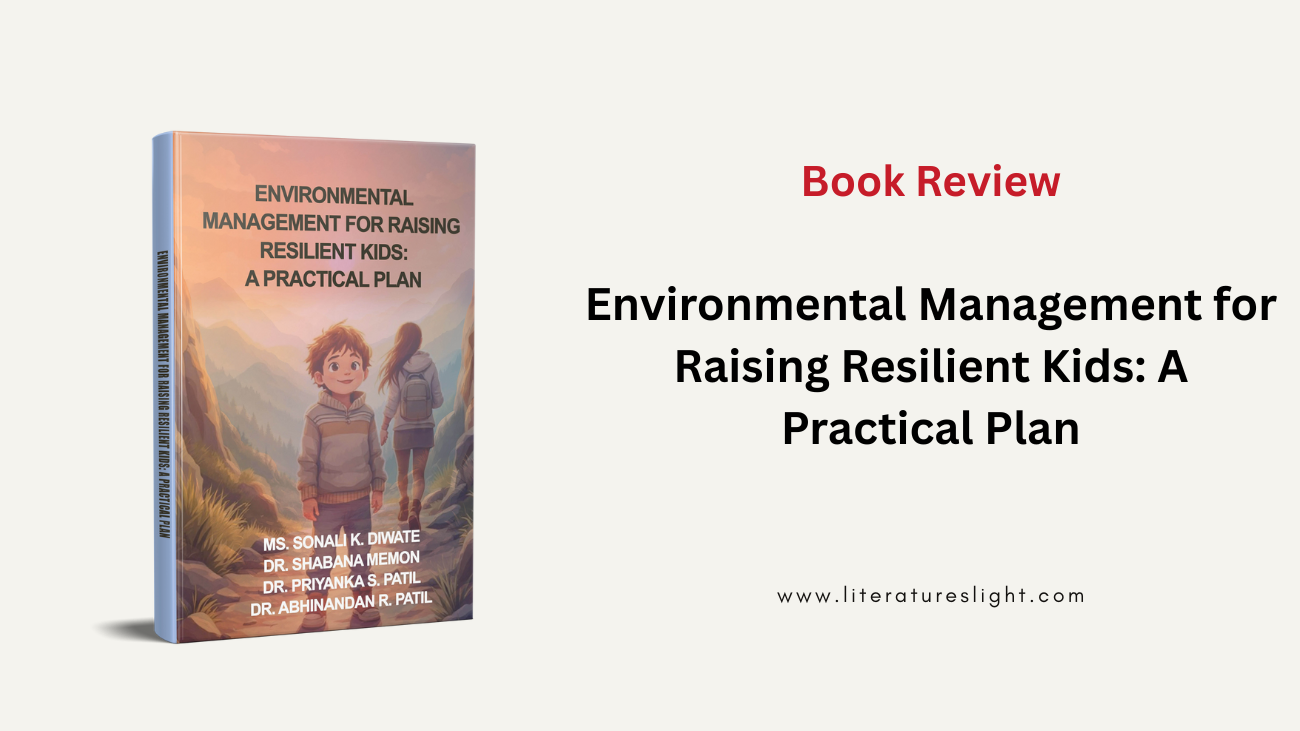
Environmental Management for Raising Resilient Kids: A Practical Plan
Raising resilient children has become one of the most important responsibilities for parents, educators, and communities. Children today face emotional, academic, digital, and social pressures that previous generations rarely experienced. Environmental Management for Raising Resilient Kids offers a practical and research based approach to help children not only cope with challenges but grow stronger through them. By shaping supportive environments at home, school, and in the community, adults can nurture confidence, adaptability, and emotional strength in young minds.
Understanding Environmental Management in Child Development
Environmental management refers to intentionally designing physical, emotional, social, and digital spaces that support healthy child development. Rather than focusing only on correcting weaknesses, this approach emphasizes strengthening protective factors that help children thrive.
A positive environment encourages emotional safety, consistent routines, healthy relationships, and opportunities for learning from failure. When children feel secure and supported, they are more likely to develop problem solving skills, emotional regulation, and self belief. Environmental management recognizes that resilience is not an inborn trait but a skill that grows through daily experiences.
Why Resilience Matters in Today’s Childhood
Modern childhood is shaped by rapid technological change, academic competition, climate concerns, and social media exposure. These stressors can overwhelm children if they lack coping skills. Resilience allows children to adapt, recover from setbacks, and maintain emotional balance during uncertainty.
Resilient children are better equipped to handle academic pressure, peer challenges, and family transitions. They develop optimism, perseverance, and a sense of control over their lives. Environmental Management for Raising Resilient Kids reframes adversity as an opportunity for growth rather than a threat, helping children build strength through guided experiences.
Building a Resilient Home Environment
Emotional Safety and Trust
The foundation of resilience begins at home. Children need to feel emotionally safe to express their fears, mistakes, and emotions without judgment. Active listening, empathy, and validation help children feel understood and valued.
Parents who model calm responses to stress teach children how to manage emotions effectively. Consistent encouragement builds self confidence and reinforces the idea that challenges are manageable.
Structure with Flexibility
Routines provide predictability, which is essential for emotional security. Clear expectations around sleep, study, and screen time reduce anxiety and help children develop self discipline. At the same time, flexibility allows children to learn adaptability when plans change.
Encouraging Independence
Allowing children to make age appropriate decisions fosters responsibility and problem solving skills. Simple choices, such as managing homework or resolving small conflicts, build confidence and autonomy over time.
Creating Resilient School and Learning Environments
Schools play a crucial role in shaping resilience. Educators can create supportive classrooms by promoting inclusivity, emotional awareness, and collaboration. A learning environment that values effort over perfection encourages children to view mistakes as part of growth.
Positive teacher student relationships act as protective factors, especially for children facing stress outside school. Opportunities for teamwork, leadership, and creative expression further strengthen emotional resilience and social skills.
The Role of Community and Culture
Resilience is strengthened when children feel connected to their community. Supportive neighbors, mentors, and cultural traditions offer a sense of belonging and identity. Community activities, sports, and volunteer programs teach cooperation, empathy, and shared responsibility.
Environmental Management for Raising Resilient Kids emphasizes cultural sensitivity, recognizing that resilience may look different across social and cultural contexts. Respecting traditions and values helps children develop pride in their identity while learning to navigate diverse environments.
Managing Digital and Social Environments
Digital exposure has become a defining aspect of childhood. While technology offers learning opportunities, unmanaged screen time and social media pressure can impact mental health. Setting healthy boundaries around digital use protects emotional well being.
Parents and educators should guide children in developing critical thinking, online safety awareness, and balanced screen habits. Open discussions about social media stress help children build emotional literacy and resilience in digital spaces.
Children as Active Partners in Resilience
A key strength of Environmental Management for Raising Resilient Kids is its emphasis on partnership. Children are not passive recipients of care but active participants in their own development. Reflection questions, goal setting, and self assessment encourage children to recognize their strengths and progress.
When children understand their role in overcoming challenges, they develop confidence, motivation, and long term coping skills.
A Practical Roadmap for the Future
Environmental Management for Raising Resilient Kids provides a hopeful and actionable framework for supporting children in a complex world. By focusing on supportive environments rather than eliminating all stress, adults can help children build lasting resilience.
Through collaboration between parents, educators, and communities, children can grow into confident, adaptable individuals ready to face life’s challenges with strength and optimism. This practical plan offers not just guidance, but a vision for raising resilient young people prepared for the future.